


Here’s the uncomfortable truth about self-awareness: it’s like realizing you’ve been writing a novel with Comic Sans. Necessary, a little mortifying, and absolutely transformative. For indie writers, it is the bridge between pouring your corazón onto the page and crafting work that truly resonates.
Self-awareness is rare. It’s what makes you stand out in a world saturated with noise. It’s what allows you to write with confidence, connect with readers, and build a body of work that actually matters.
When you’re self-aware, you stop trying to be everything to everyone. You embrace the weird, the dark, the funny, the flawed. You let your work be unapologetically yours. And readers? They can’t resist that kind of honesty.

The Humbling Power of Self-Awareness
When I first started writing, I had delusions of grandeur; even how I pronounce the word ‘grandeur’ makes me want to punch myself. I wasn’t just the next Hemingway—I was the second coming of literary genius. Or so I thought. I’d sit down, furrow my brow, and crank out prose that I imagined would be dissected in future college classes. The problem? My stories weren’t profound. They were overwrought, riddled with melodrama, and screamed, Look at me! I’m so deep!
The turning point came with a short story I was particularly proud of—a piece about existential dread narrated by a talking raccoon. Yes, a raccoon. Reading it back, I realized I’d spent 3,000 words saying absolutely nothing. My dialogue? Clunky. My metaphors? Straight out of a “how-not-to” writing guide. The worst part? I couldn’t blame anyone but myself.
That’s when I hit pause and said, “Espera un poco!” What was I even trying to say? Who was I trying to be? That cringeworthy raccoon monologue forced me to strip everything down, toss the pretension, and embrace a much scarier truth: I needed to stop writing what I thought readers wanted and start writing what felt like me.
Why Self-Awareness Matters
As writers, we’re always walking the tightrope between ambition and authenticity. We want to stand out, to be taken seriously, to make readers laugh, cry… (or throw my book across the room and look for me until they find me and yell at my face for that scathing review I did about their favorite YA author). But here’s the kicker: readers can sense when you’re faking it. And when they do, they check out.
Self-awareness is the antidote. It’s what transforms cringe-worthy early drafts into stories with depth. It’s what allows you to call yourself out, adapt, and grow without losing your voice.
And here’s the best part: self-awareness makes you fearless. It’s a paradox, really. The more honest you are about your shortcomings, the less you care about them. Suddenly, rejections sting a little less, comparisons don’t hold as much weight, and you find yourself writing with magnetic authenticity.
What Self-Awareness Isn’t
Let’s get one thing straight: self-awareness isn’t self-loathing. It’s not about tearing yourself apart or obsessing over every little flaw. (It’s not like you’re having a private conversation with your passive-aggressive, younger self, which keeps reminding you that you’re almost forty years old and haven’t accomplished nada in life). It’s about seeing your work—and yourself—for what you are. Imperfect? Sure. But full of potential.
When you’re self-aware, you stop chasing perfection and start chasing honesty. And that’s what readers want. They’re not looking for sanitized, cookie-cutter stories. They want raw, real, and fearless narratives that remind them they’re not alone in their messiness.
How to Build Self-Awareness (Without Losing Your Mind)
1. Own Your Cringe: Dig out those old drafts and embrace the awkwardness. Instead of shoving them into the metaphorical basement, ask yourself, What was I trying to do here? What worked? What didn’t? It’s painful but necessary.
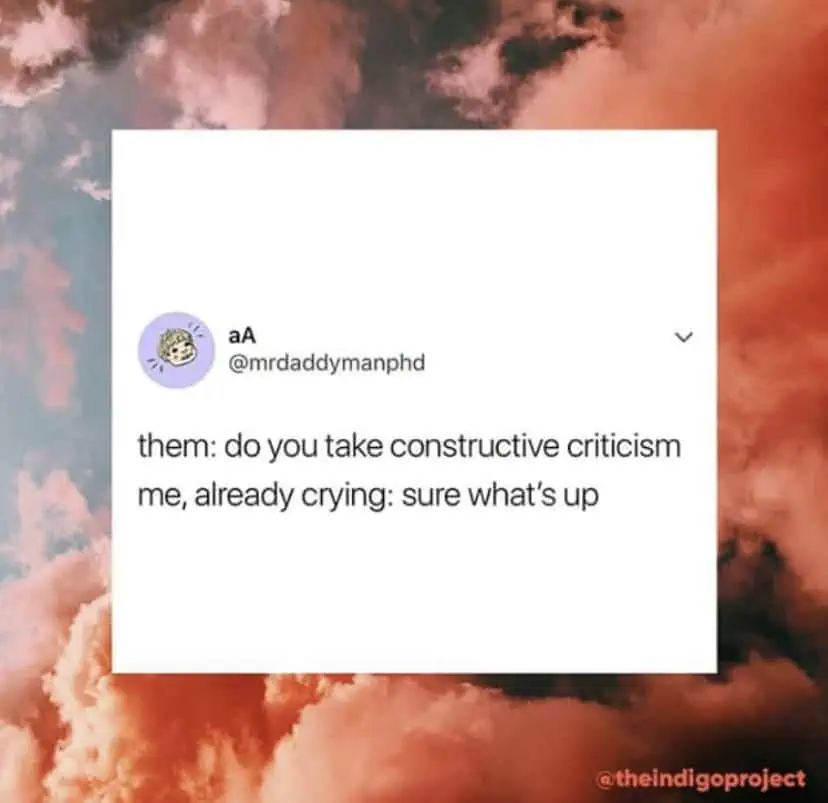
2. Seek Feedback Wisely: Find people you trust—writers, readers, friends—who can tell you the truth without shredding your soul. Listen carefully, but don’t let every opinion steer your ship.
3. Ask the Big Questions: Why do you write? Who are you writing for? What do you want your work to say? These aren’t easy questions, but they’re the foundation of every authentic piece of writing.
4. Ditch the Comparisons: Stop measuring yourself against bestselling authors or viral indie writers. Their journey isn’t yours, and that’s a good thing.
5. Write With Intent: Every sentence you write should serve a purpose. Is it pushing the story forward? Adding depth to a character? If not, let it go.
My Final Take
I’ve learned that self-awareness doesn’t just make you a better writer—it makes you a better human. It’s what helps you push through the hard days, laugh at your early mistakes, and keep going even when the world seems indifferent to your work.
So, the next time you’re staring at a blank page, overwhelmed by self-doubt, remember this: your imperfections aren’t weaknesses—they’re your power. Lean into them. Write through them. And let the world see you, flaws and all.
Because there’s nothing better than a writer who knows exactly who they are—and isn’t afraid to show it.
Support An Independent Writer
Make a monthly donation
Make a yearly donation
Writing takes time, coffee, and occasionally… the whispers of things that shouldn’t be named. If you’d like to help keep the stories coming, a donation helps more than you know.
Whatever you can give.
I truly appreciate it.
Your contribution is appreciated.
Your contribution is appreciated.
Discover more from Gabriel Lucatero
Subscribe to get the latest posts sent to your email.
Join the discussion One Comment