

A Thrill Ride or a Slow Burn?
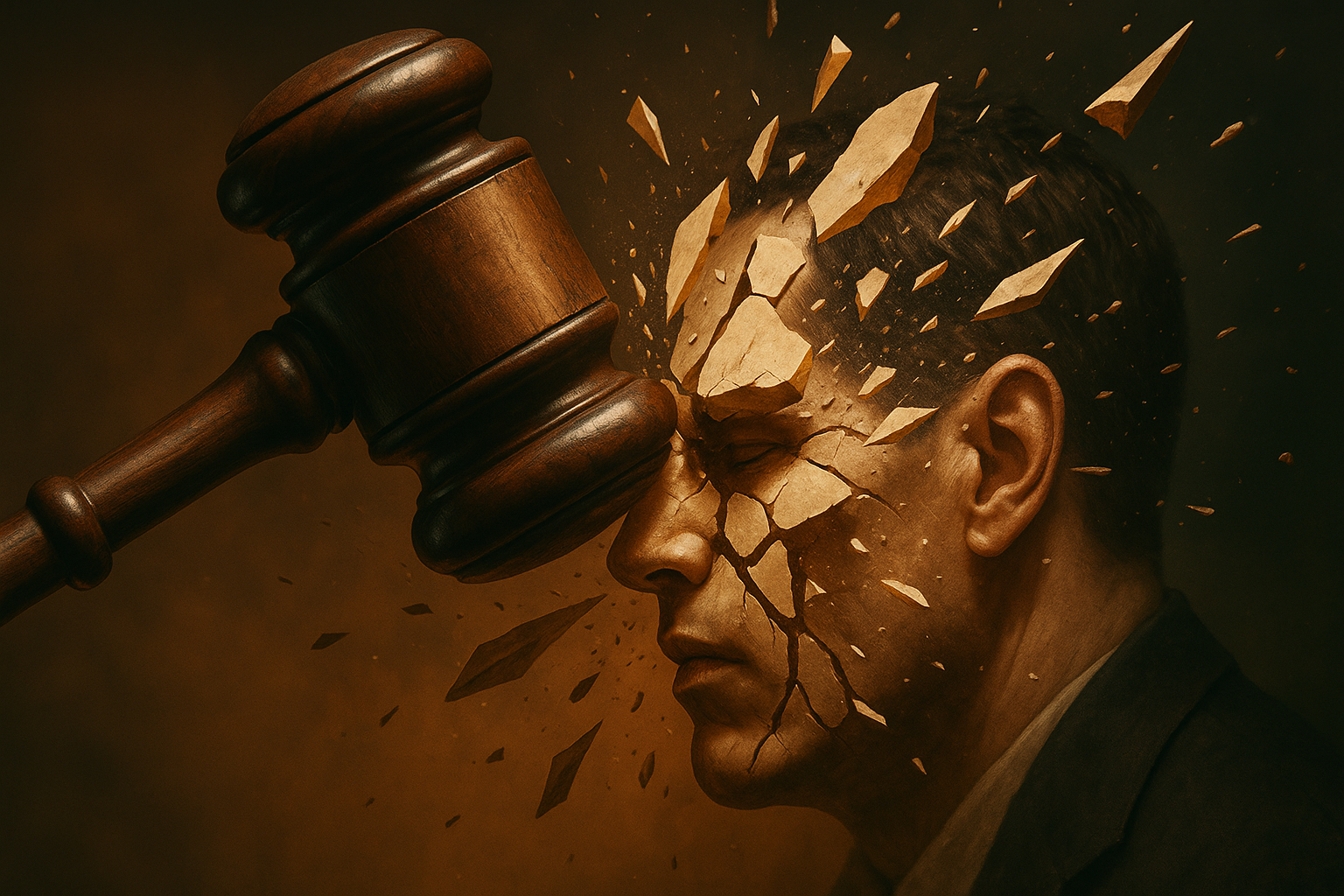
Justice or vengeance? Peter Abrahams’ Lights Out takes us deep into the fractured psyche of Eddie Nye, a man burdened by the label of murderer, even as the shadow of doubt looms over his guilt. Abrahams has a knack for weaving psychological tension into a thriller, but is Lights Out a masterclass in suspense or a tale that overstays its welcome?
Let’s break it down.
Eddie Nye’s story begins where most thrillers end: with a man leaving prison, not in triumph but in disarray. He’s spent fifteen years paying for a crime he may not have committed, and now the world he’s re-entering seems just as cruel as the one he left. This premise, so tantalizingly rich in possibilities, hooks the reader with questions: Did Eddie do it? Can he prove his innocence? Or does the answer lie somewhere darker? Abrahams crafts an opening so atmospheric you can almost feel the rust of the prison gates scraping against your senses. But here’s the catch: does this brooding tone maintain its grip, or does it turn into a weight the narrative can’t carry?
The plot is intricate, twisting through Eddie’s quest for redemption and the mysteries surrounding his past. It’s a slow unraveling, designed to draw you in gradually rather than yank you by the collar. For some, this deliberate pace might feel like savoring a fine wine; for others, it’s like waiting for a bus that never arrives. Abrahams sprinkles red herrings like a master illusionist, keeping readers second-guessing. Yet, there are moments when the tension lags, where the story is meandering instead of galloping. Certain subplots, while compelling, feel like distractions rather than essential threads.
Eddie Nye is no cardboard cutout. He’s damaged and morally ambiguous, a protagonist you’re never sure you should root for. The supporting cast is equally layered, from the enigmatic love interest to the hard-nosed detective who won’t let Eddie’s past go. Abrahams doesn’t shy away from the gray areas of human nature, painting his characters with strokes of light and shadow. But here’s where the controversy comes in: are these characters too complicated for their own good? Eddie, in particular, is a frustrating figure. His decisions often feel maddeningly self-destructive. Some readers might call this realism; others might call it exhausting.
At its core, Lights Out is a meditation on justice; what it means, who gets to decide, and whether it’s ever truly served. Abrahams forces the reader to grapple with uncomfortable questions: If Eddie didn’t commit the crime, does that mean he’s innocent? If he did, is his punishment ever enough? Yet, there’s a cynicism in Abrahams’ worldview that some might find off-putting. The book seems to suggest that the pursuit of justice is a futile endeavor, a sentiment that could either resonate deeply or leave readers cold.
Abrahams’ prose is sharp and evocative, creating a sense of unease that permeates the entire novel. He’s a wordsmith who knows how to use language to build tension, and his descriptions often feel cinematic. However, there’s a density to his writing that might alienate readers who prefer their thrillers lean and fast-paced. For bilingual readers, imagine if he had thrown in un poquito de español to match the gritty, multi-layered vibe of the story. It could’ve added another dimension to the narrative, a touch of cultural richness to balance the bleakness.
Lights Out is undeniably gripping, but it’s also a polarizing experience. If you love psychological depth and don’t mind a story that takes its time, this book will enthrall you. But if you’re looking for a thriller that delivers constant adrenaline, you might find yourself wishing for more action and less introspection. Abrahams isn’t afraid to challenge his readers, and for that, he deserves credit. Lights Out is a dissection of the human condition, wrapped in a dark, moody package. Whether you’ll love it or loathe it depends entirely on your tolerance for ambiguity and moral complexity.
One thing’s for sure: Abrahams knows how to leave the lights on in your head long after you’ve turned the last page.
Discover more from Gabriel Lucatero
Subscribe to get the latest posts sent to your email.