

A Writer’s Guide to Escaping Analysis Paralysis
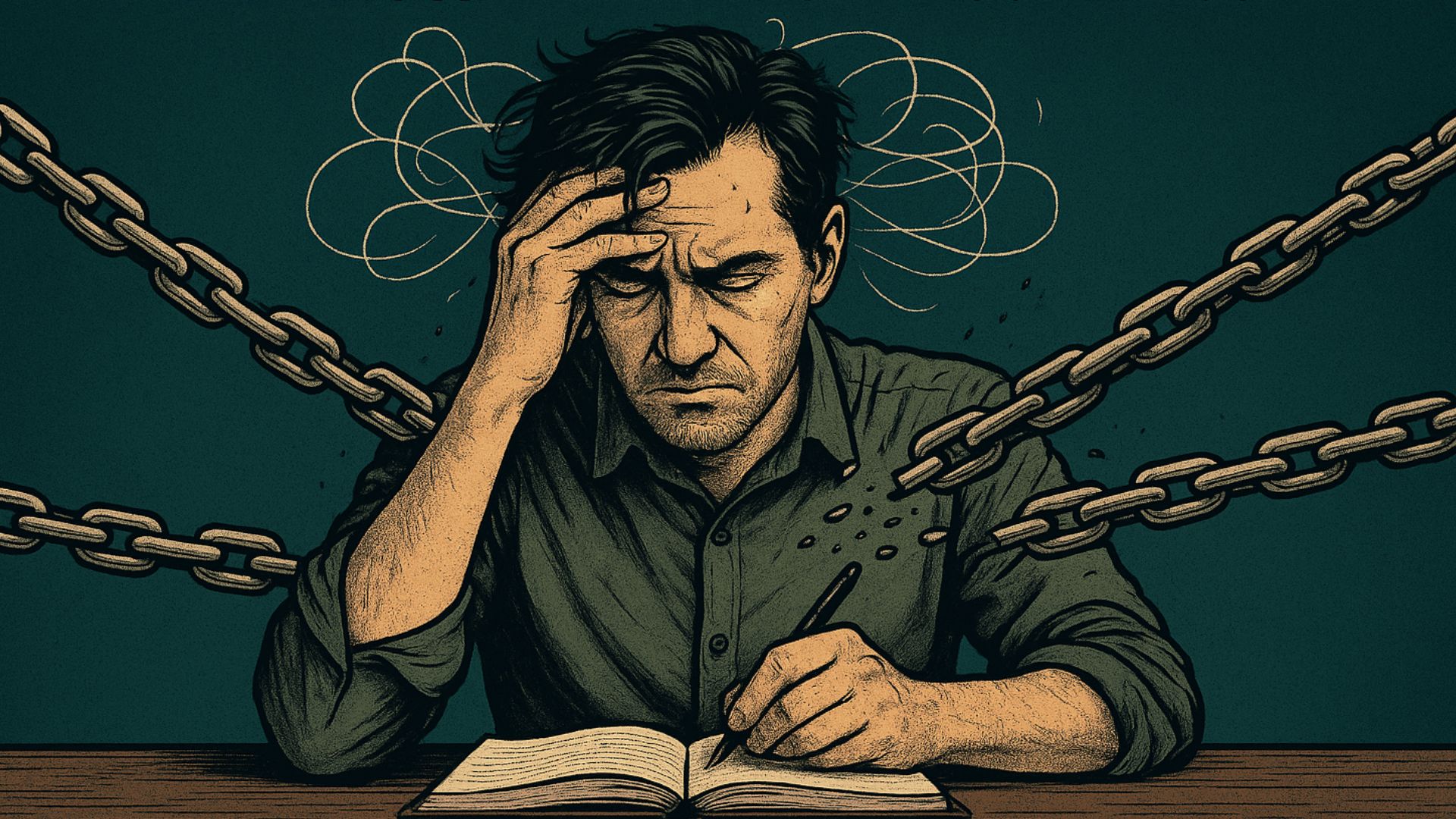
Analysis paralysis is a silent killer for writers. It’s like trying to write while standing knee-deep in quicksand—every step forward is met with a hundred doubts dragging you back. You think you’re being productive, researching, outlining, editing…but in reality? You’re stalling. You’re hiding. You’re bullshitting yourself.
And yes, I’ve been there.
A few years back, I was working on a story that was supposed to be my big break. This was it, I thought. I spent months obsessing over the perfect opening sentence. Should it be poetic? Punchy? ¿Un poquito de español para darle sabor? The result? I had exactly one page written after three months. Three months. Meanwhile, the story? Dead in the water, suffocated under the weight of my own overthinking. What snapped me out of it? A simple realization: Nobody cares about the perfect sentence if the story never gets written.
Let that sink in.
Overthinking is the enemy of creativity. You obsess over commas, second-guess plot points, convince yourself that every word has to be groundbreaking. Guess what? It doesn’t. The harsh truth is this: good writing is rewriting, but you can’t rewrite what doesn’t exist. If you’ve ever spent more time researching than drafting, congratulations, you’ve been seduced by analysis paralysis. It’s sneaky. It whispers in your ear:
•“Let’s just Google one more thing about 19th-century shoelaces.”
•“I can’t start writing until I understand the migratory habits of sparrows.”
•“I’ll get to it, but first…I need coffee. And then maybe to reorganize my desk.”
And before you know it, you’ve done everything except write.
Here’s the ugly truth: analysis paralysis is a mask for fear. Fear of failure. Fear of judgment. Fear of putting your work out there and hearing the dreaded words: “This sucks.” But here is the thing: you’re going to suck at first. That’s the nature of the beast. The first draft is always ugly, awkward, and full of holes. You can’t sculpt marble without breaking a few chunks off. But fear doesn’t want you to know that. It wants you stuck, spinning your wheels, thinking you’re “preparing” when all you’re doing is procrastinating.
Here’s what I’ve learned the hard way: action kills anxiety. You can’t think your way out of overthinking—you have to write your way out.
1.Set a Timer and Write.
Give yourself 30 minutes to just word-vomit on the page. No editing, no researching, no second-guessing. Pretend you’re texting your drunk alter ego at 3 a.m.—messy, impulsive, and shameless.
2.Impose Deadlines.
If you wait until the story “feels ready,” it will never get done. Set a deadline, even if it’s arbitrary. Hell, tell your mom or your cat about it if you need external accountability.
3.Accept Mediocrity (At First).
Stop romanticizing the perfect draft. Your first attempt will probably look like something a toddler wrote during a sugar rush. That’s okay. Mediocrity is the price of admission for greatness.
4.Embrace Imperfection.
You’re not writing the Great American Novel on day one. Nobody is. What you’re writing is a stepping stone, not a masterpiece. Even Gabriel García Márquez had to edit.
5.Limit Research.
Set a strict time limit for research. Want to learn about 19th-century shoelaces? Fine. You’ve got 20 minutes. After that, you’re writing.
Countless unfinished novels are rotting in drawers and abandoned hard drives. Don’t let yours be one of them. You’re not a “writer” because you can craft the perfect metaphor in your head. You’re a writer because you sit down, every damn day, and bleed onto the page. And if you don’t? Well, someone else will. Someone less talented but more disciplined. That’s the bitter irony of writing: hard work beats talent when talent doesn’t show up.
If you’re stuck in analysis paralysis, remember this: the only thing worse than writing something terrible is writing nothing at all. So, ponte las pilas. Start typing. Start sucking. Start finishing. And for the love of all things literary, stop Googling “how to start writing.” You already know the answer.
(Did you enjoy this article? Consider helping out)
Discover more from Gabriel Lucatero
Subscribe to get the latest posts sent to your email.