
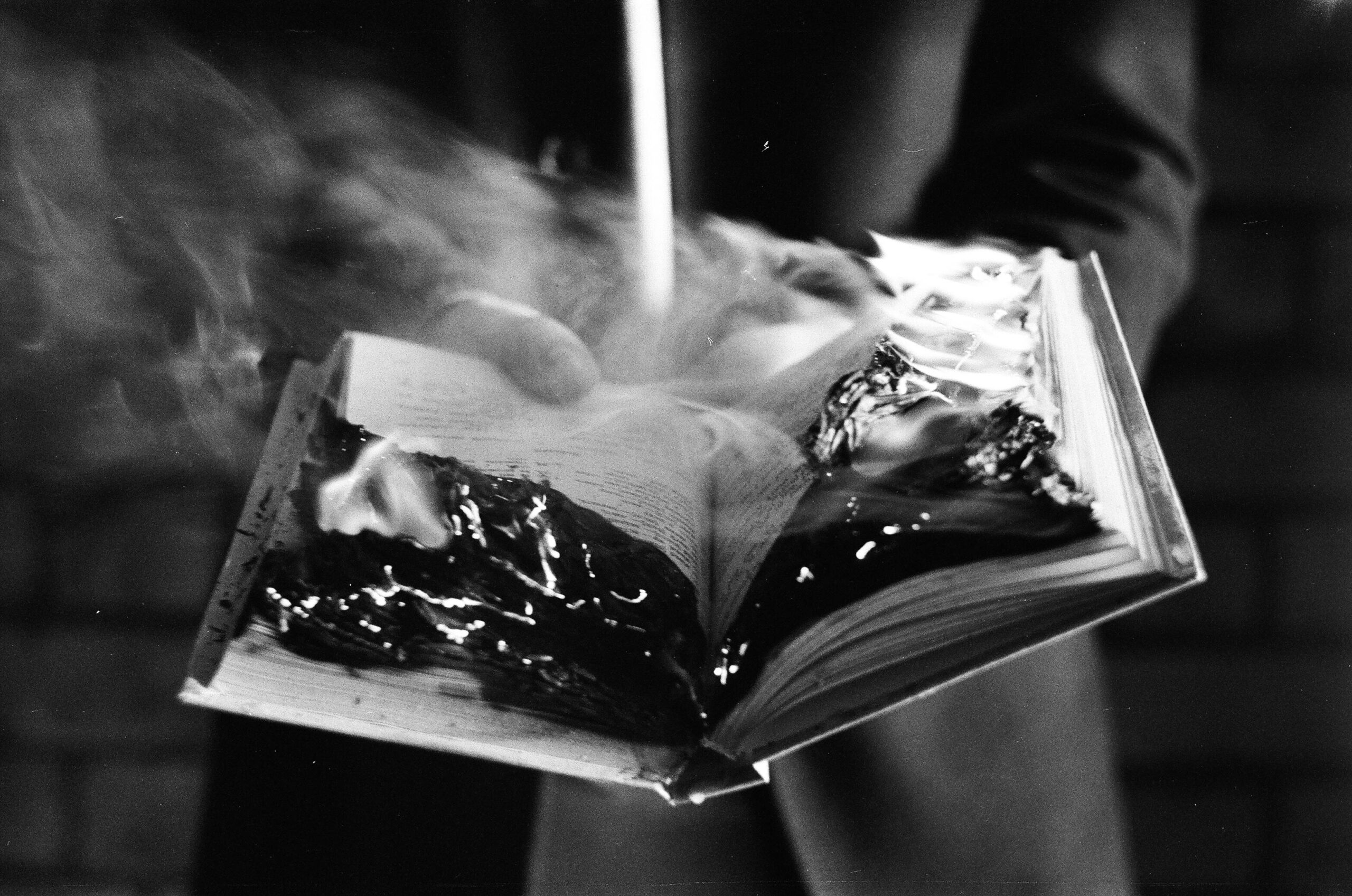

Writing is hard. Being a writer? That’s a whole other level of masochism. But here you are, pen in hand (or fingers on keys), chasing that dream of seeing your name on a book spine or your words shared across the world. And let me guess—you’re also losing your mind in the process.
Well, congratulations. That’s how you know you’re doing it right.
The secret to surviving this rollercoaster isn’t about being the best or even being good (although that helps). It’s about not giving a fuck about the wrong things. Because trust me, there are so many wrong things to care about.
Step One: Stop Caring About Perfection
Writers have this annoying habit of chasing perfection like a dog chasing its tail. Newsflash: You’ll never catch it.
When I first started, I’d rewrite the same paragraph twenty times, convinced it wasn’t good enough. I obsessed over commas, second-guessed word choices, and panicked over whether readers would feel the protagonist’s heartbreak in Chapter 3. Guess what happened? I didn’t finish the damn book.
Perfectionism is a trap. It’s the enemy of progress. The sooner you accept that your first draft will be a flaming dumpster fire, the faster you’ll get to the good stuff: editing. That’s where the magic happens.
Writing Tip:
“Treat your first draft like a bad breakup. Get through it as quickly as possible, no matter how messy it is. You can fix the wreckage later.”
Step Two: You’re Not Hemingway, and That’s Okay
There’s this weird myth in the writing world that you have to be tortured, brilliant, and drunk to be a real writer. Spoiler alert: You don’t.
Writing isn’t about being the next Hemingway, Faulkner, or whoever. It’s about being you. Your weird, unique, beautifully flawed self.
Everything changed when I stopped trying to sound like my literary heroes and started writing like me. My stories felt alive, my voice came through, and most importantly, I started having fun.
You know that saying, “Comparison is the thief of joy”? For writers, it’s the thief of creativity. So stop comparing yourself to others. The world doesn’t need another Hemingway—it needs you.
Step Three: Rejection Is Your Rite of Passage (Wear It Like a Badge)
Let me guess—you’ve been rejected. Maybe by a publisher, an agent, or even your mom, who couldn’t get past the first chapter of your sci-fi epic because, “There were just too many planets to keep track of, honey.”
Guess what? Welcome to the club. Every writer worth their salt has a war chest full of rejection letters, critiques, and bad reviews. And if you don’t, it’s probably because you haven’t been writing long enough or putting yourself out there.
Rejection isn’t a no—it’s a not yet. It’s your proof that you’re in the game, swinging at the plate instead of sitting on the sidelines. And sometimes, rejection is just plain ridiculous.
Dialogue Moment: My Favorite Rejection Letter
A few years ago, I submitted a short story to a magazine that will remain nameless. Let’s call it The Pretentious Quarterly. They emailed me back three months later with a rejection so brutal a Bond villain could’ve written it.
“Dear Writer,” it began—because, of course, they couldn’t be bothered to use my name.
“While we appreciate your submission, we must decline. Your story lacked the thematic depth and literary quality we seek. Furthermore, the ending was both predictable and unsatisfying. Best of luck in your future endeavors.”
Predictable and unsatisfying? I laughed. I cried. I printed out the email and taped it to my desk like a trophy.
Because here’s the thing: their opinion didn’t define my story—it defined their taste. Maybe my piece wasn’t a fit for their audience, or maybe the editor had a bad day. Who knows? Either way, it didn’t mean I was a bad writer. It just meant I had to keep going.
Here’s the Point:
Rejection isn’t the end of the road—it’s a detour. Every rejection letter, harsh critique, or unkind comment is a step toward finding the right audience for your work. And when you finally get that acceptance or glowing review, it’s going to feel damn good.
Step Four: Write What You Love, Not What’s Trending
Remember when vampire romances were all the rage? Or dystopian YA? And now it’s TikTok books with pastel covers? Here’s a hard truth: if you’re chasing trends, you’re already too late.
The only thing worth writing is the story you’re obsessed with. The one you can’t stop thinking about. The one that makes you laugh, cry, or stare out the window like you’re in a sad indie movie montage.
Why? Because readers can tell when you’re phoning it in. Passion is contagious. If you love your story, someone else will, too.
Step Five: Don’t Give a Fuck About the Algorithm
Ah, social media—the double-edged sword of the modern writer. On one hand, it’s a great way to connect with readers. On the other, it’s a soul-sucking black hole of doom that can make you question your existence.
Here’s my advice: post what you want, when you want, and don’t overthink it. Sure, consistency and strategy are nice, but at the end of the day, your writing matters more than your follower count.
Remember: the algorithm doesn’t buy books—people do. So, focus on building genuine connections, not gaming the system.
Step Six: Embrace the Chaos
Writing is messy. It’s unpredictable. It’s maddening. And that’s what makes it beautiful.
Some days, the words will flow like a river. On other days, they’ll feel like pulling teeth. Some stories will come easily; others will fight you every step of the way. But that’s the process.
The sooner you accept the chaos, the easier it gets. Writing isn’t about control—it’s about discovery. It’s about exploring the unknown, diving into the depths of your imagination, and coming back with something new.
Final Thought:
At the end of the day, being a writer isn’t about giving a fuck about perfection, trends, or approval. It’s about giving a fuck about the things that matter: your stories, your voice, and the readers who need to hear what you have to say.
So go write. Be bold. Be weird. And most importantly, don’t give a fuck about the rest.
Image by Anastasia Latunova
Support An Independent Writer
Make a monthly donation
Make a yearly donation
Writing takes time, coffee, and occasionally… the whispers of things that shouldn’t be named. If you’d like to help keep the stories coming, a donation helps more than you know.
Whatever you can give.
I truly appreciate it.
Your contribution is appreciated.
Your contribution is appreciated.
DonateDonateDonateDiscover more from Gabriel Lucatero
Subscribe to get the latest posts sent to your email.
Join the discussion 2 Comments